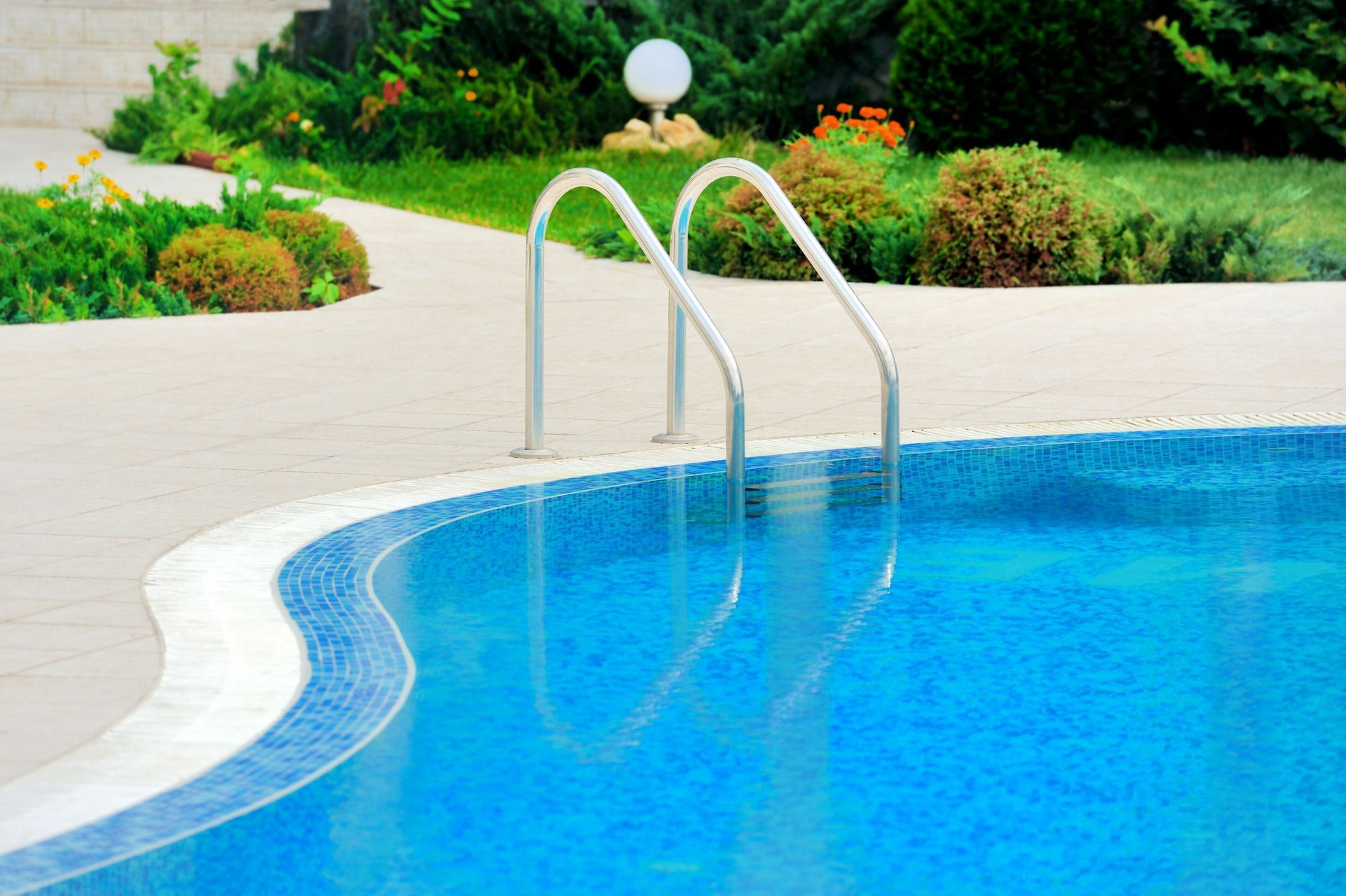
Custom pools offer unparalleled value and enjoyment for homeowners looking to enhance their outdoor living spaces. This article explores everything you need to know about local custom pools, including design, construction, and maintenance. Incorporating a custom pool into your home can transform your backyard into a personal oasis. With the right choices, a pool can become the centerpiece of your outdoor activities and social gatherings. As swimming pools grow in popularity, understanding the process of building and maintaining one becomes crucial for potential pool owners.
Understanding Custom Pool Designs
1. Varieties of Shapes and Themes
The world of custom pool designs is fascinatingly diverse, allowing homeowners to tailor their pools to match their personalities and lifestyles. Whether you desire a geometric design or a more freeform natural appearance, the options are almost limitless. Themed pools, such as tropical paradises or modern minimalist retreats, can enhance the aesthetic and mood of a backyard. Creativity in pool design can also encompass unique features, like natural rock formations or integrated water features. The choice of shape and theme sets the stage for the rest of the design process.
The customization of pools goes beyond just aesthetics; it's also about functionality and utility. A lap pool requires a different layout compared to a pool intended mostly for relaxation and leisure. Some designs focus on providing child-friendly areas with shallow wading spots and safety features. Others may integrate elements like built-in seating or tanning ledges for adults. By understanding your primary objectives for the pool, you can better communicate your needs to the design team.
According to RubyHome, there are about 10.7 million pools in the United States, and among these are countless variations designed to meet the diverse needs and tastes of homeowners. The growing interest in unique pool designs underscores the importance of considering how a pool fits into the overall landscape of a property. Combining visual appeal with practical considerations ensures that a custom pool not only looks good but also serves its intended purpose effectively. As such, careful planning and collaboration with design experts are essential.
2. Material Choices for Aesthetics and Durability
The decision regarding materials is one of the most important a homeowner will make when planning a custom pool. Concrete, fiberglass, and vinyl are the most common materials, each with its own set of advantages and drawbacks.
Concrete offers flexibility in design and durability but requires more maintenance compared to other materials. Fiberglass pools are quick to install and have a smooth surface that resists algae growth. Vinyl pools, meanwhile, are cost-effective and offer endless customization with liner patterns and colors.
The choice of materials directly influences the lifespan and aesthetic appeal of the pool. A concrete pool can be fully customized with unique shapes and integrated features like waterfalls or grottos. Fiberglass pools, while limited in design flexibility, offer a wide range of colors and finishes that enhance visual appeal. Vinyl liners, though potentially requiring more frequent replacement, provide the broadest design palette due to their ability to mimic tile or mosaic patterns. The decision-making process involves balancing upfront costs with ongoing maintenance considerations.
In addition to pool structure materials, selecting finishes is crucial for aesthetics and longevity. Options like tile, aggregate, and plaster can alter the pool's look and feel. Tiles provide a polished appearance with a diverse range of colors and patterns. Aggregate surfaces, such as pebble or quartz, offer natural texture and increased durability. Plaster remains a popular choice for its affordability and classic appearance, though it may require more frequent refinishing. Each material choice impacts both the look and long-term maintenance of a custom pool.
3. Integrating Landscaping and Hardscaping
The pool itself is only one aspect of an outdoor oasis; integrating it with landscaping and hardscaping transforms the entire space. Proper landscaping enhances the pool's visual appeal and provides privacy and ambiance. Strategic planting of trees and shrubs creates shade and can act as a natural barrier. Hardscaping elements such as decks, patios, and fire pits complement the pool structure and provide functional areas for lounging and entertaining. Balancing soft landscaping with hardscaping components is essential for creating a cohesive design.
Landscape design enhances the usability of the area surrounding the pool. Pathways and walkways guide visitors through the space while offering a glimpse of various garden features. Incorporating planters with vibrant flowers adds color, while trees and shrubs can frame the pool, creating a sense of seclusion. Lighting is another critical aspect of landscaping, with options like LED lights for energy-efficient illumination and mood setting at night. These elements together create an inviting space for relaxation and entertainment.
Hardscaping considerations involve choosing materials that integrate with both the pool and the home’s architecture. Stone or concrete pavers, for instance, complement poolside environments with their durability and stylistic options. Retaining walls can be both functional—offering seating or planting spaces—and decorative, serving as focal points or backdrop elements. Water features like fountains or waterfalls often use hardscaping materials to create dramatic effects that enhance the pool's ambiance. By aligning hardscaping with the pool's aesthetics, the entire backyard can be transformed into a cohesive and enjoyable environment.
4. Designing for Safety and Accessibility
Designing a custom pool requires careful attention to safety and accessibility to ensure that it is suitable for all ages and abilities. Safety measures such as fencing, self-closing gates, and pool covers protect children and pets from accidental falls. Accessibility features like steps, rails, and ramps make the pool user-friendly for individuals with mobility challenges. It's vital to adhere to local regulations and standards when implementing these features to ensure compliance and safety.
Incorporating technology can greatly enhance pool safety and accessibility. Automated pool covers, for instance, offer quick and effective protection when the pool is not in use. Alarm systems can alert owners to unauthorized access or accidental falls into the pool area. Furthermore, lighting around the pool perimeter and on steps or ladders increases visibility and security, allowing safe use even after dark. These technological additions provide peace of mind and ensure the pool is a safe environment for everyone.
Design considerations for accessibility do not detract from the pool's aesthetic but rather enhance its usability. Zero-entry designs or beach entries offer an elegant way into the pool without steps, making the transition smooth for all users. Wide, shallow steps with handrails provide additional support for those who require it, without compromising aesthetics. By integrating safety and accessibility into the design, homeowners ensure that their custom pool is welcoming to all users, from young children to elderly adults, creating a more inclusive experience.
5. Custom Features: From Slides to Infinity Edges
Custom features are what truly differentiate a bespoke pool from a standard offering, allowing owners to inject personality and flair. Popular choices include slides, which add a playful element for families with children or those young at heart. Infinity edges offer a dramatic visual effect, where the pool water extends seamlessly into the horizon, creating an illusion of endless water. Waterfalls and fountains are other features that add both sound and movement, enhancing relaxation and creating an immersive environment. These unique elements transform mere swimming pools into dream destinations.
Technological enhancements in pool features are increasingly available to customize the pool experience. Underwater speakers provide exceptional sound quality for an immersive auditory experience during swimming sessions. Lighting elements such as color-changing LEDs can set the mood and atmosphere for nighttime swims or festivities. Integration of smart pool systems allows for remote control of features like temperature, lighting, and circulation, making pool management easy and convenient. These technological advancements expand the options available for personalization and enjoyment. Be sure to reach out to Blissful Waters Construction for more information on our professional local custom pools!